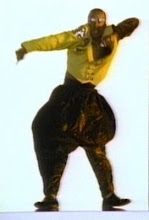
I would like to apologise to you, my multi-talented and sexy readers. The last couple of months have been lost time – they have been snatched away, never to be rescued from the jaws of the past. But believe me when I say it couldn't be helped. You see, I bought a trampoline.
Who knew how much joy you could get out of springing into the air and spreading your legs as wide as they can go, then feeling the air running through your hair as you plummet back down to earth? And when you wear balloon pants like I do, the experience quadruples in fun. I have been jumping on my trampoline, feeling the wind rush past my ears for weeks and weeks now.
And this brings us to our post today: the question of using An or A.
A is known as the indefinite article. Indefinite articles mean that we are not talking about a specific thing. For example, if you say, a cat, we can't be sure which cat is being talked about exactly. If you say the cat, it means that you are talking about a particular cat.
An is also an indefinite article, and is for when a word starts with a vowel, like 'an elephant'.
Simple enough. But like many things on the hard streets of grammar, you have to be always on your toes. The moment you get comfortable, the moment you get a little too big for your boots is the moment when they cut you down to size.
And this is exactly what happens when you come find yourself writing out something like 'an SES volunteer', or 'an LED light'. You're all 'hey! S and L are not vowels! Why are you using an?!'
It's true, S and L are not vowels. And without a doubt, if these acronyms were spelt out as 'state emergency service' and 'light-emitting diode', you would definitely say 'a state emergency service volunteer' and 'a light-emitting diode', but the thing is, in most cases, written language follows the way we speak as closely as it can. When you say 'SES' the letter S starts off with a sound like 'EH' or 'AH', so it's kind of exhausting to say 'a SES volunteer', because you spend all the oxygen you have on you at the time, just trying to say 'a', because you've got no smooth segue into saying 'SES'. You end up running out of breath and collapsing on the floor, clutching at your throat and thrashing your legs around in panic.
To avoid this this, it's easier to say 'an SES volunteer' because that way, you just spring effortlessly from your article to your noun like a kangaroo on a trampoline underneath another trampoline.
The letters that need the article 'an' in front of them when they're in acronyms are the ones that are a bit hard to say, which is F, L,M,N,R and S. So if you're ever in doubt about what to write, just say it out loud and see if you throw the old an in there. If it's good enough to say, it's good enough to write on paper.
Sunday, 19 December 2010

Thursday, 16 September 2010
Commas of Mass Destruction: Part 2
In our last post, we got familiar with the comma. So now we are ready to revisit James Thurber and Harold Ross in the New Yorker Office in the 1930s, getting ready to bash the living shit out of each other, and all over the use of the comma.
You see, Harold Ross was a comma-lover. Some might say he was a comma-nist. James Thurber, however, wasn’t so big on them. But Ross was the editor and boss of the New Yorker, so each time Thurber’s work was put in front of him, he started comma-izing it. If Thurber wrote ‘Red white and blue’, Ross changed it to ‘Red, white, and blue’.
In his memoir, ‘The Years with Ross’, Thurber remembers that Ross thought that there was no limit to how much clearer you could make a sentence by throwing in commas everywhere. But to Thurber, they were just obstacles, getting in the way, forcing you to stop and start all the time, frustrating your progress as you read.
So who was right?
Well, first let’s look at Ross’s outlook on things. To Ross, commas were really important to show the reader were there might have been a pause, or where there was a certain amount of omitted information. For example, somebody once asked why there needed to be a comma in the sentence: ‘After dinner, the men went into the living-room’, Ross' answer was ‘so the men had time to push their chairs back and stand up.’
Snap, Harold Ross. But a lot of Ross’ logic was based on the argument of the oxford comma, and so sometimes it went a bit over the top.
The oxford comma, also known as the serial comma, is used before conjunctions like or, and or but. For example:
We ate oranges, apples, and pears.
The main arguments for the oxford comma are that it offers consistency with the other commas in the sentence, and that it better matches the way people speak.
The arguments against the oxford comma is that if there is a conjunction, such as an 'and' there’s no need for a comma, because the 'and' is the thing that the other apostrophes are replacing.
Jesus Christ. Now you know. Now you understand why Ross and Thurber couldn’t stand each other for another second. They were stuck in an oxford comma hate spiral. This is why, when Thurber wrote ‘red white and blue’, Ross just corrected it to ‘red, white, and blue.’ Ross always used oxford commas, and it pissed Thurber off.
As you know, MC Grammar doesn’t like it when people use grammar just for the sake of being correct. If a sentence reads correctly without the aid of the punctuation, then you don’t need it.
So do we need the oxford comma? Well, that depends on whether you think the sentence needs it or not. There are some cases where the meaning can get lost with an oxford comma. The author Teresa Nielsen Hayden gave this example of how a dedication can get confusing
To my parents, Ayn Rand and God.
In this case, Hayden has shown how it can look like her parents are the author Ayn Rand and God. In this case using an oxford comma like this:
To my parents, Ayn Rand, and God.
Would have been a lot better – better, but not great. The fact is, no matter how many commas you throw at this sentence, it still always reads a bit as though someone's parents are Ayn Rand and God, and an oxford comma isn’t going to fix that.
The other argument for the oxford comma is that it better matches the way people speak. An extra comma before a word like and better evens out a list rhythmically. This is true. Consider this:
This morning for breakfast I had toast, cornflakes, bacon and eggs, and coffee.
Here, we know that the bacon and eggs came together in a sort of package, but if you write:
This morning for breakfast I had toast, bacon and eggs and coffee
You start to imagine a coffee-based soup full of rashers of bacon and bits of egg. An oxford comma definitely would have made a difference here, and more than that, in speech, a person definitely would have paused just a little bit, just after saying ‘bacon and eggs’.
So what happened in the end for Ross and Thurber? Well it didn’t matter how much Thurber screamed and threatened, Ross was in charge of the New Yorker, so he always got his way.
But Thurber got back at him by writing his memoir, ‘The Years with Ross’. Now, everyone thinks of Ross as an eccentric, slightly crazy guy, even though he was technically a genius. The lesson that we can all learn from this is that you should try not to get too hung up on commas, because it can get out of hand after a while. If you don’t believe me, take a look at Columbia University, which has a student group called the Students for the Preservation of the Oxford Comma. (SPOC).
So what’s MC Grammar’s advice about the oxford comma? Don’t commit to it. Treat it like a casual acquaintance. Whenever you think you need one, throw it in, based on the fact that you would have paused if you were speaking, or because it makes the sentence clear with it. But don’t get into an argument about it, because someone might end up writing a memoir about you that makes you seem a bit anal about commas.
To finish off, let’s listen to this topical tune from Vampire Weekend, where Ezra Koenig from Vampire Weekend reflects on meeting the Students for the Preservation of the Oxford Comma.
You see, Harold Ross was a comma-lover. Some might say he was a comma-nist. James Thurber, however, wasn’t so big on them. But Ross was the editor and boss of the New Yorker, so each time Thurber’s work was put in front of him, he started comma-izing it. If Thurber wrote ‘Red white and blue’, Ross changed it to ‘Red, white, and blue’.
In his memoir, ‘The Years with Ross’, Thurber remembers that Ross thought that there was no limit to how much clearer you could make a sentence by throwing in commas everywhere. But to Thurber, they were just obstacles, getting in the way, forcing you to stop and start all the time, frustrating your progress as you read.
So who was right?
Well, first let’s look at Ross’s outlook on things. To Ross, commas were really important to show the reader were there might have been a pause, or where there was a certain amount of omitted information. For example, somebody once asked why there needed to be a comma in the sentence: ‘After dinner, the men went into the living-room’, Ross' answer was ‘so the men had time to push their chairs back and stand up.’
Snap, Harold Ross. But a lot of Ross’ logic was based on the argument of the oxford comma, and so sometimes it went a bit over the top.
The oxford comma, also known as the serial comma, is used before conjunctions like or, and or but. For example:
We ate oranges, apples, and pears.
The main arguments for the oxford comma are that it offers consistency with the other commas in the sentence, and that it better matches the way people speak.
The arguments against the oxford comma is that if there is a conjunction, such as an 'and' there’s no need for a comma, because the 'and' is the thing that the other apostrophes are replacing.
Jesus Christ. Now you know. Now you understand why Ross and Thurber couldn’t stand each other for another second. They were stuck in an oxford comma hate spiral. This is why, when Thurber wrote ‘red white and blue’, Ross just corrected it to ‘red, white, and blue.’ Ross always used oxford commas, and it pissed Thurber off.
As you know, MC Grammar doesn’t like it when people use grammar just for the sake of being correct. If a sentence reads correctly without the aid of the punctuation, then you don’t need it.
So do we need the oxford comma? Well, that depends on whether you think the sentence needs it or not. There are some cases where the meaning can get lost with an oxford comma. The author Teresa Nielsen Hayden gave this example of how a dedication can get confusing
To my parents, Ayn Rand and God.
In this case, Hayden has shown how it can look like her parents are the author Ayn Rand and God. In this case using an oxford comma like this:
To my parents, Ayn Rand, and God.
Would have been a lot better – better, but not great. The fact is, no matter how many commas you throw at this sentence, it still always reads a bit as though someone's parents are Ayn Rand and God, and an oxford comma isn’t going to fix that.
The other argument for the oxford comma is that it better matches the way people speak. An extra comma before a word like and better evens out a list rhythmically. This is true. Consider this:
This morning for breakfast I had toast, cornflakes, bacon and eggs, and coffee.
Here, we know that the bacon and eggs came together in a sort of package, but if you write:
This morning for breakfast I had toast, bacon and eggs and coffee
You start to imagine a coffee-based soup full of rashers of bacon and bits of egg. An oxford comma definitely would have made a difference here, and more than that, in speech, a person definitely would have paused just a little bit, just after saying ‘bacon and eggs’.
So what happened in the end for Ross and Thurber? Well it didn’t matter how much Thurber screamed and threatened, Ross was in charge of the New Yorker, so he always got his way.
But Thurber got back at him by writing his memoir, ‘The Years with Ross’. Now, everyone thinks of Ross as an eccentric, slightly crazy guy, even though he was technically a genius. The lesson that we can all learn from this is that you should try not to get too hung up on commas, because it can get out of hand after a while. If you don’t believe me, take a look at Columbia University, which has a student group called the Students for the Preservation of the Oxford Comma. (SPOC).
So what’s MC Grammar’s advice about the oxford comma? Don’t commit to it. Treat it like a casual acquaintance. Whenever you think you need one, throw it in, based on the fact that you would have paused if you were speaking, or because it makes the sentence clear with it. But don’t get into an argument about it, because someone might end up writing a memoir about you that makes you seem a bit anal about commas.
To finish off, let’s listen to this topical tune from Vampire Weekend, where Ezra Koenig from Vampire Weekend reflects on meeting the Students for the Preservation of the Oxford Comma.
Thursday, 9 September 2010
Commas of Mass Destruction: Part 1
In New York in the 1930s, two men had a massive fight about commas.
Their names were Harold Ross and James Thurber. Harold Ross was the editor and head of the New Yorker Magazine, and James Thurber was a humourist who worked for the magazine.
Ross loved commas. He pretty much wanted to marry a comma. But Thurber thought they were a bit more unnecessary. For example, if Thurber wrote ‘red white and blue’, Ross would change it to ‘red, white, and blue’. They could only see one way to settle their differences: with a punch-on.
So who was right? Well, to work that out, first we need to work out exactly what a comma is for.
The word ‘comma’ means ‘cut off piece’, and was first applied to writing back in ancient Greece, to tell actors reading aloud when to pause and take a breath when they were saying their lines. And this was what it was used for for a long time. (During the middle ages, it even had a little comrade punctuation mark called a ‘virgula suspensiva’, which looked a bit like a forward slash [/] which was used for the briefest of pauses, but that has now died out.)
Slowly, the comma began to be used for more than just reading out loud.
Now, the function of the comma is:
1. To divide things in lists
We bought oranges, apples and pears
In lists, the comma is not required before the and on the end, unless you believe in the oxford comma, which we’ll be confronting in part two of commas.
2. To join things in a sentence
When two sentences join to be one, a comma is like the contraception they use to ensure the information they contain stays separate
The sentence: The night was ice cold. There was frost everywhere.
could become: The night was ice cold, there was frost everywhere.
3. To fill gaps of information
For example, instead of saying
My old dog has three legs; my new dog has four legs.
You could say
My old dog has three legs; my new dog, four.
4. To show that someone is about to talk
Such as:
Suddenly he stood up and said, ‘Right then. Where are my slippers?’
5. After an exclamation or interjection:
Holy shit, what am I going to do now?
Jesus, I hate this song
OMG, where did all these lame playsuits come from?
6. To ‘bracket’ extra information.
This is a bit of a tricky one. The rule of bracketing is that you use them to put a ‘weak interruption’, in a sentence. A weak interruption is an additional piece of information. This doesn’t mean that the information isn’t important, it just means that it is ‘added’.
Her dark hair, scented like almonds, was like silk to the touch.
We ate all the ice creams, even the tofu-flavoured ones, that we could find in the fridge.
The girl, Josie, finally spoke.
In these cases, the added information could be left out, but it means that the sentence would probably be a bit less interesting and would offer less information about what’s going on.
7. To breathe.
This is the oldest, and most important function of the comma. It gives you an idea of the rhythm of what is happening and the way people are talking. When you talk, you don’t talk at the same pace, with the same pitch, the whole time. Without even thinking about it, you use pauses.
So when you’re writing stuff down, you should think about when you would pause. As you might have noticed, MC Grammar uses a lot of commas – maybe even more than is average – because MC Grammar always talks in an even, calm, emphatic and commanding manner. Each time you see a comma when you read this blog, that’s my way of letting you know that I am inhaling another strong, determined breath, and setting my steel gaze upon you, so that my eyes seem like two polished tiger-eye stones as I make yet another point about grammar. But do I apologise for this love of commas? Of course I don’t. This is because I know that each comma is well-placed and thought out.
But beware, readers, the comma has the potential for setting off a war of catastrophic proportions, in its mutant form, the Oxford Comma.
/Stay tuned for part two of Commas of Mass Destruction.
Their names were Harold Ross and James Thurber. Harold Ross was the editor and head of the New Yorker Magazine, and James Thurber was a humourist who worked for the magazine.
Ross loved commas. He pretty much wanted to marry a comma. But Thurber thought they were a bit more unnecessary. For example, if Thurber wrote ‘red white and blue’, Ross would change it to ‘red, white, and blue’. They could only see one way to settle their differences: with a punch-on.
So who was right? Well, to work that out, first we need to work out exactly what a comma is for.
The word ‘comma’ means ‘cut off piece’, and was first applied to writing back in ancient Greece, to tell actors reading aloud when to pause and take a breath when they were saying their lines. And this was what it was used for for a long time. (During the middle ages, it even had a little comrade punctuation mark called a ‘virgula suspensiva’, which looked a bit like a forward slash [/] which was used for the briefest of pauses, but that has now died out.)
Slowly, the comma began to be used for more than just reading out loud.
Now, the function of the comma is:
1. To divide things in lists
We bought oranges, apples and pears
In lists, the comma is not required before the and on the end, unless you believe in the oxford comma, which we’ll be confronting in part two of commas.
2. To join things in a sentence
When two sentences join to be one, a comma is like the contraception they use to ensure the information they contain stays separate
The sentence: The night was ice cold. There was frost everywhere.
could become: The night was ice cold, there was frost everywhere.
3. To fill gaps of information
For example, instead of saying
My old dog has three legs; my new dog has four legs.
You could say
My old dog has three legs; my new dog, four.
4. To show that someone is about to talk
Such as:
Suddenly he stood up and said, ‘Right then. Where are my slippers?’
5. After an exclamation or interjection:
Holy shit, what am I going to do now?
Jesus, I hate this song
OMG, where did all these lame playsuits come from?
6. To ‘bracket’ extra information.
This is a bit of a tricky one. The rule of bracketing is that you use them to put a ‘weak interruption’, in a sentence. A weak interruption is an additional piece of information. This doesn’t mean that the information isn’t important, it just means that it is ‘added’.
Her dark hair, scented like almonds, was like silk to the touch.
We ate all the ice creams, even the tofu-flavoured ones, that we could find in the fridge.
The girl, Josie, finally spoke.
In these cases, the added information could be left out, but it means that the sentence would probably be a bit less interesting and would offer less information about what’s going on.
7. To breathe.
This is the oldest, and most important function of the comma. It gives you an idea of the rhythm of what is happening and the way people are talking. When you talk, you don’t talk at the same pace, with the same pitch, the whole time. Without even thinking about it, you use pauses.
So when you’re writing stuff down, you should think about when you would pause. As you might have noticed, MC Grammar uses a lot of commas – maybe even more than is average – because MC Grammar always talks in an even, calm, emphatic and commanding manner. Each time you see a comma when you read this blog, that’s my way of letting you know that I am inhaling another strong, determined breath, and setting my steel gaze upon you, so that my eyes seem like two polished tiger-eye stones as I make yet another point about grammar. But do I apologise for this love of commas? Of course I don’t. This is because I know that each comma is well-placed and thought out.
But beware, readers, the comma has the potential for setting off a war of catastrophic proportions, in its mutant form, the Oxford Comma.
/Stay tuned for part two of Commas of Mass Destruction.
Friday, 13 August 2010
Attack of the Similar Words! Practise vs Practice
An incredible thing happened to me the other day, as I was walking down the street. It was early in the morning, and I was the only one about. With the dew on the leaves, and the clouds still all fresh and pink, it could well have been the first day in creation, and I could have been the first cat who ever wore balloon pants affixed with a leather cummerbund, as I sauntered down that street.
As I turned a corner, I happened to pass by a young dude. He looked like he was in his teens, he had a shock of fluffy blond hair on the top of his head, a red shirt, and a pair of light-coloured jeans on.
I passed him and went along my merry way. I kept walking down the street and after about 20 metres, I made a short-cut through a narrow laneway. Then something very messed up happened: the same boy walked passed me again in the lane way.
For a few second there, my mind was a mess of panicking contortions. There was no way this boy could have made it around the block in the few seconds since I had passed him before. And not only were these people identical in every way, but they were also wearing exactly the same thing.
Of course, after just a few seconds, using the powers of logic that I am so well known for, I worked out that these people were probably twins, and not clones. And since they were funky teen twins (or 'tweenins' as you might consider calling them), they probably (a) had a lot of sibling rivalry, which explained why they didn’t want to walk together, and (b) on their way to school, which was why they were both walking in the same direction.
Another problem solved. But it got me thinking. Just like life, grammar is full of confusing look-alikes that not only look just the same, but almost do exactly the same thing too. So when you come across them in a sentence, you can often find yourself asking ‘WTF? What’s the actual difference between these two words?’
Take for example, the difference between ‘practise’ and ‘practice.’
You might look at these two words and at first you’d be all like ‘Oh, the reason that one of these has an s, and one of these has a c, is because one is an American spelling, and one is a British spelling’ You’d be wrong. In the UK, ‘practice’ and ‘practise’ are both used, while in the US, only ‘practice’ is used. Which kind of doesn’t help at all.
So, just say you don’t live in the wide, glorious land of the United States. Let's just say that although you’ve applied through several channels, you can’t get a work visa. What do you do next?
In the UK and its sexy colony, Australia, ‘practice’ is a noun, while ‘practise’ is a verb. For example:
Dr Wright’s a pretty good doctor. His medical practice is just down the road.
I need to practise my capoeira, so I can become a dancing warrior.
Are you a practising Catholic?
Meanwhile, at some stage in history, the US decided this was a pretty small detail, and that they were pretty busy and couldn’t really be fucked, and started using ‘practice’ for everything.
It's most likely that there are some cases where North Americans might try to stick to what’s technically correct, but when you are on your tourist's visa in the US, pursuing research into the many practices that Americans engage in, and noting it all down in your field notes, MC Grammar recommends that it’s probably best to stick to that spelling in your field report.
As I turned a corner, I happened to pass by a young dude. He looked like he was in his teens, he had a shock of fluffy blond hair on the top of his head, a red shirt, and a pair of light-coloured jeans on.
I passed him and went along my merry way. I kept walking down the street and after about 20 metres, I made a short-cut through a narrow laneway. Then something very messed up happened: the same boy walked passed me again in the lane way.
For a few second there, my mind was a mess of panicking contortions. There was no way this boy could have made it around the block in the few seconds since I had passed him before. And not only were these people identical in every way, but they were also wearing exactly the same thing.
Of course, after just a few seconds, using the powers of logic that I am so well known for, I worked out that these people were probably twins, and not clones. And since they were funky teen twins (or 'tweenins' as you might consider calling them), they probably (a) had a lot of sibling rivalry, which explained why they didn’t want to walk together, and (b) on their way to school, which was why they were both walking in the same direction.
Another problem solved. But it got me thinking. Just like life, grammar is full of confusing look-alikes that not only look just the same, but almost do exactly the same thing too. So when you come across them in a sentence, you can often find yourself asking ‘WTF? What’s the actual difference between these two words?’
Take for example, the difference between ‘practise’ and ‘practice.’
You might look at these two words and at first you’d be all like ‘Oh, the reason that one of these has an s, and one of these has a c, is because one is an American spelling, and one is a British spelling’ You’d be wrong. In the UK, ‘practice’ and ‘practise’ are both used, while in the US, only ‘practice’ is used. Which kind of doesn’t help at all.
So, just say you don’t live in the wide, glorious land of the United States. Let's just say that although you’ve applied through several channels, you can’t get a work visa. What do you do next?
In the UK and its sexy colony, Australia, ‘practice’ is a noun, while ‘practise’ is a verb. For example:
Dr Wright’s a pretty good doctor. His medical practice is just down the road.
I need to practise my capoeira, so I can become a dancing warrior.
Are you a practising Catholic?
Meanwhile, at some stage in history, the US decided this was a pretty small detail, and that they were pretty busy and couldn’t really be fucked, and started using ‘practice’ for everything.
It's most likely that there are some cases where North Americans might try to stick to what’s technically correct, but when you are on your tourist's visa in the US, pursuing research into the many practices that Americans engage in, and noting it all down in your field notes, MC Grammar recommends that it’s probably best to stick to that spelling in your field report.
Tuesday, 20 July 2010
Back to the recent past! 'Used to' and 'use to'
This is Amy.

Amy made a terrible mistake that has to do with the internet fridge.
You see, around 2003, Amy had a lot of money. She had been saving up her wages for years, because she had a feeling that a major technological breakthrough was about to burst out of the dull mould of all that had come before, such as mini-disk players, or the 1969 h316 computer, which cost $10,000 US and could only store recipes.
And then, there it was: the internet fridge. It was breathtaking. It had so many features – it had the internet, obviously, but it also had a computerised notepad, where people could write messages to each other like ‘get milk’ instead of just writing a regular note. Photos of the happy family that owned the internet fridge could also be flashed in a slide show sequence, instead of just putting regular photos up on the fridge. It had so many features. And in addition to that, it was also a fridge, where food could be stored, just like a regular fridge. That was enough for Amy. She knew that this was the technological moment that she had been waiting for. And she had also saved $15,000, which was what the internet fridge cost.
And then, twelve months later, Amy heard talk of something called an 'iPod'. Suddenly, everyone was using one, revelling in the fact that they no longer had to lumber around with CD players jammed in their pants, or that they would have buy complicated walkman-pouches so they could play their single CD over and over again, until they could get home to play it. And they revelled in how they could store all the music they owned in this tiny machine. Amy tried to keep talking up the merits of the internet fridge, but no one wanted to listen any more. In fact, they couldn’t hear her at all, because they were all listening to their iPods, which had cost a mere $500.
Poor Amy. Because of her bad decision, she found herself trapped in the recent past. She suddenly belonged to a time in the past that wasn’t too distant, but was just outdated enough to push her out of the present. This is just like our grammar spotlight today, and the dilemma of used to and use to.
These are two terms are trapped in a swampy marsh of the past, but serve different functions. What is the difference between these two terms? Is there a difference? Step into my funky tardis and let’s find out.
These terms may look the same, but they are used for describing different time periods.
As you may know, the word use is a verb, and the past tense of use is used.
The term used to is for when you’re talking about repeated actions or events that happened a long time ago, but have now stopped.
When I was single, I used to spend my weekends writing complaint letters to David Jones.
You can also use it for actions that you once did a lot, but now don’t do as much.
We used to go out all the time.
This implies you may still go out sometimes, but not as often as before.
You say use to when it follows did or didn’t. For example,
Didn’t you use to type out swear words with your label maker and stick them to pigeons?
I didn’t use to grow a moustache, but when I got dumped for the 36th time I changed my mind.
Did you use to ride the monster truck?
In these sorts of sentences, the action (typing, growing a beard, riding the monster truck) are not completely in the past, and they may not have happened all that long ago – in fact there’s a chance they have escaped into the present, and may even career into the future like a drunk on a hoverboard. For this reason, we use the present tense, use. Just to be on the safe side. MC Grammar thinks you should always be safe. I don’t want to have to meet your mother’s eye and tell her what happened to you out there when you tried to describe something that was only in the recent past, and got confused. Don’t put me in that situation.
This might all seem hard to follow, but there’s a very simple way of remembering how to go about things. If the words did or didn’t are in the sentence, then you say use. If did or didn’t aren’t there, then you say used to. This is the simplest way of working this out, and knowing exactly what time period you're talking about.

Amy made a terrible mistake that has to do with the internet fridge.
You see, around 2003, Amy had a lot of money. She had been saving up her wages for years, because she had a feeling that a major technological breakthrough was about to burst out of the dull mould of all that had come before, such as mini-disk players, or the 1969 h316 computer, which cost $10,000 US and could only store recipes.
And then, there it was: the internet fridge. It was breathtaking. It had so many features – it had the internet, obviously, but it also had a computerised notepad, where people could write messages to each other like ‘get milk’ instead of just writing a regular note. Photos of the happy family that owned the internet fridge could also be flashed in a slide show sequence, instead of just putting regular photos up on the fridge. It had so many features. And in addition to that, it was also a fridge, where food could be stored, just like a regular fridge. That was enough for Amy. She knew that this was the technological moment that she had been waiting for. And she had also saved $15,000, which was what the internet fridge cost.
And then, twelve months later, Amy heard talk of something called an 'iPod'. Suddenly, everyone was using one, revelling in the fact that they no longer had to lumber around with CD players jammed in their pants, or that they would have buy complicated walkman-pouches so they could play their single CD over and over again, until they could get home to play it. And they revelled in how they could store all the music they owned in this tiny machine. Amy tried to keep talking up the merits of the internet fridge, but no one wanted to listen any more. In fact, they couldn’t hear her at all, because they were all listening to their iPods, which had cost a mere $500.
Poor Amy. Because of her bad decision, she found herself trapped in the recent past. She suddenly belonged to a time in the past that wasn’t too distant, but was just outdated enough to push her out of the present. This is just like our grammar spotlight today, and the dilemma of used to and use to.
These are two terms are trapped in a swampy marsh of the past, but serve different functions. What is the difference between these two terms? Is there a difference? Step into my funky tardis and let’s find out.
These terms may look the same, but they are used for describing different time periods.
As you may know, the word use is a verb, and the past tense of use is used.
The term used to is for when you’re talking about repeated actions or events that happened a long time ago, but have now stopped.
When I was single, I used to spend my weekends writing complaint letters to David Jones.
You can also use it for actions that you once did a lot, but now don’t do as much.
We used to go out all the time.
This implies you may still go out sometimes, but not as often as before.
You say use to when it follows did or didn’t. For example,
Didn’t you use to type out swear words with your label maker and stick them to pigeons?
I didn’t use to grow a moustache, but when I got dumped for the 36th time I changed my mind.
Did you use to ride the monster truck?
In these sorts of sentences, the action (typing, growing a beard, riding the monster truck) are not completely in the past, and they may not have happened all that long ago – in fact there’s a chance they have escaped into the present, and may even career into the future like a drunk on a hoverboard. For this reason, we use the present tense, use. Just to be on the safe side. MC Grammar thinks you should always be safe. I don’t want to have to meet your mother’s eye and tell her what happened to you out there when you tried to describe something that was only in the recent past, and got confused. Don’t put me in that situation.
This might all seem hard to follow, but there’s a very simple way of remembering how to go about things. If the words did or didn’t are in the sentence, then you say use. If did or didn’t aren’t there, then you say used to. This is the simplest way of working this out, and knowing exactly what time period you're talking about.
Sunday, 27 June 2010
When apostrophes go bad: Do's and Don'ts
Because of MC Grammar, you basically know everything now. You know how to change a light bulb, and what sort of light bulb goes into an IKEA lamp. You know how to unscrew a fluorescent light bulb and also what wattage goes into a fluorescent light bulb.
And you also know all about apostrophes. You know that an apostrophe either indicates possession, such as Jane’s hat, or indicates a shortening of the word is or has, like Jane’s happy or Jane’s already left. When there is no apostrophe, it means that the ‘s’ is only there to show that there is more than one of something. You know that saying The kings come in splendour is a very different to saying The King’s come in splendour. Because one is plural and one is singular.
But did you know that it’s not all as simple as all that? Just when you thought grammar was simple, the real world has to interfere and fuck up your shit. This brings us to the debacle of Do’s and Don’ts
What’s happening with this term? Firstly, it’s inconsistent: the do has an apostrophe before the s but the don’t doesn’t. Secondly, why does the do have an apostrophe at all? It’s NOT possessive, is it? It doesn’t ‘own’ anything in the sentence, does it? No, it doesn’t.
But believe it or not, this is how it has to be. Why? For no other reason than the fact that it looks weird without it. It looks like ‘dos’, Spanish for ‘two’. It looks like you tried to write ‘does’ and failed. It looks like a whole other word, and this reason, and this reason only, it has an apostrophe in it.
And take a look at its partner in crime, don’ts. Don’ts won’t even tow the line for consistency’s sake and become don’t’s. Why? yep, you know it – because it that looks weird too. There are too many apostrophes (two), so the final result is that Do’s and don’ts is one of the biggest outlaws of grammar, and there’s nothing that any of us can do about it, but curse and shake our fists.
So how does it get away with it? Believe it or not, because it’s more correct than all the other options, and makes more sense. Let’s remember, the whole point of grammar isn’t actually to be correct for the sake of being correct, it’s to make sense, and to communicate to the widest audience possible. In this case, ‘Do’s and Don’ts’ is correct by association, meaning that because the other options are so confusing, it’s won by default. It’s like a handsome outlaw: you know it’s a murderous felon, but who can resist those dark locks and symmetrical jaw?
A word of caution though: in most other cases, you should always stop and pause for reflection before proceeding with an apostrophe. An apostrophe is like a beautiful woman or man that you meet at a bar. Sure, you’re knocked sideways by their longish hair, dyed criminally blond and almost pitch black at the roots, and the sensual darkish colouring just below their eyes that gives a hint of Mediterranean blood via Poland or Northern Italy, but don’t just dive in – get a good look at them! Is that intriguing peroxided hair and enticing dark roots just a result of the fact that they originally set out to be a glamour model, then sunk into the seamy world of hard drugs? And are those bags under their eyes just a result of Hepatitis B?
In the same way, when it comes to apostrophes, you need to ask yourself certain self-preserving questions. A common crime in grammar is to write something like I read 100’s of books online or the two large lion’s approached quickly. These are incorrect, because neither ‘1000’ or the lions, ‘own’ anything in the sentence, nor is the s a shortening of is. A good quality-control approach is to ask yourself ‘Am I actually writing 100 IS’, or, does ‘100’ actually ‘own’ something in this sentence? If the answer is no, and ‘100’ is just plural, then you don’t need an apostrophe.
Take note, grammar lovers, not everybody agrees on the state of Do's and Don'ts. Many people who also love grammar, will insist on taking a variety of measures, such as writing Dos and Don'ts, Do's and Don't's and also Dos and Dont's. MC Grammar says: increase the grammar peace, fellow word lovers. Although these version might be accepted in some situations, if you're writing something like an important document that a lot of people are going to read, it's best to stick to the modern, most widely accepted, and easiest to understand, Do's and Don'ts.
To finish off, let's check out this video from the 50's about dating. See how the video is correctly titled Do's and Don'ts? Now THAT's how to get a date.
And you also know all about apostrophes. You know that an apostrophe either indicates possession, such as Jane’s hat, or indicates a shortening of the word is or has, like Jane’s happy or Jane’s already left. When there is no apostrophe, it means that the ‘s’ is only there to show that there is more than one of something. You know that saying The kings come in splendour is a very different to saying The King’s come in splendour. Because one is plural and one is singular.
But did you know that it’s not all as simple as all that? Just when you thought grammar was simple, the real world has to interfere and fuck up your shit. This brings us to the debacle of Do’s and Don’ts
What’s happening with this term? Firstly, it’s inconsistent: the do has an apostrophe before the s but the don’t doesn’t. Secondly, why does the do have an apostrophe at all? It’s NOT possessive, is it? It doesn’t ‘own’ anything in the sentence, does it? No, it doesn’t.
But believe it or not, this is how it has to be. Why? For no other reason than the fact that it looks weird without it. It looks like ‘dos’, Spanish for ‘two’. It looks like you tried to write ‘does’ and failed. It looks like a whole other word, and this reason, and this reason only, it has an apostrophe in it.
And take a look at its partner in crime, don’ts. Don’ts won’t even tow the line for consistency’s sake and become don’t’s. Why? yep, you know it – because it that looks weird too. There are too many apostrophes (two), so the final result is that Do’s and don’ts is one of the biggest outlaws of grammar, and there’s nothing that any of us can do about it, but curse and shake our fists.
So how does it get away with it? Believe it or not, because it’s more correct than all the other options, and makes more sense. Let’s remember, the whole point of grammar isn’t actually to be correct for the sake of being correct, it’s to make sense, and to communicate to the widest audience possible. In this case, ‘Do’s and Don’ts’ is correct by association, meaning that because the other options are so confusing, it’s won by default. It’s like a handsome outlaw: you know it’s a murderous felon, but who can resist those dark locks and symmetrical jaw?
A word of caution though: in most other cases, you should always stop and pause for reflection before proceeding with an apostrophe. An apostrophe is like a beautiful woman or man that you meet at a bar. Sure, you’re knocked sideways by their longish hair, dyed criminally blond and almost pitch black at the roots, and the sensual darkish colouring just below their eyes that gives a hint of Mediterranean blood via Poland or Northern Italy, but don’t just dive in – get a good look at them! Is that intriguing peroxided hair and enticing dark roots just a result of the fact that they originally set out to be a glamour model, then sunk into the seamy world of hard drugs? And are those bags under their eyes just a result of Hepatitis B?
In the same way, when it comes to apostrophes, you need to ask yourself certain self-preserving questions. A common crime in grammar is to write something like I read 100’s of books online or the two large lion’s approached quickly. These are incorrect, because neither ‘1000’ or the lions, ‘own’ anything in the sentence, nor is the s a shortening of is. A good quality-control approach is to ask yourself ‘Am I actually writing 100 IS’, or, does ‘100’ actually ‘own’ something in this sentence? If the answer is no, and ‘100’ is just plural, then you don’t need an apostrophe.
Take note, grammar lovers, not everybody agrees on the state of Do's and Don'ts. Many people who also love grammar, will insist on taking a variety of measures, such as writing Dos and Don'ts, Do's and Don't's and also Dos and Dont's. MC Grammar says: increase the grammar peace, fellow word lovers. Although these version might be accepted in some situations, if you're writing something like an important document that a lot of people are going to read, it's best to stick to the modern, most widely accepted, and easiest to understand, Do's and Don'ts.
To finish off, let's check out this video from the 50's about dating. See how the video is correctly titled Do's and Don'ts? Now THAT's how to get a date.
Tuesday, 8 June 2010
Indecent Preposition
Alright. Again, MC Grammar hasn't exactly hit the mark with this week's post title. I am all too aware that it doesn't really work, since the movie I am cleverly pop-culture referencing is actually 'Indecent Proposal', not 'Indecent Proposition.' It would never have been called 'Indecent Proposition', because that doesn't have the same zing to it. Being MC Grammar and only achieving lukewarm wordplay is like throwing stones when you live in a glass house and wear a glass house-robe. Because of this failure, I hurl myself on my four-poster bed in frustration. But we have to try to keep a perspective, and focus on the reason we're all here: to learn about prepositions.
So what is a preposition? Well, a preposition links words to other words in a sentence, like 'with', 'under' 'without' 'on', and 'from'.
A preposition 'locates' an object For example,
The book is on the table
I am beneath the tree.
I am beneath the tree.
She held the book during class
I want to be on you
In each sentence, the preposition locates the object in time or space.
A prepositional verb 'introduces' nouns, and explains just what the hell they are doing. For example;
The boy climbed a tree.
There was rejoicing throughout the land
Each time, the preposition has 'introduced' the noun and linked the two nouns in the sentence together.
Put simply, a preposition explains what shit is doing in a sentence together. If a preposition was a person, it would be that person at a party who knows everyone, so when you walk in and exclaim 'Hey - I didn't know they knew each other!', preposition is all like 'oh yeah, didn't you know? They live in same apartment block', or 'oh yeah, they used to go to the same yoga class' or 'oh yeah, they've only just met, but they're really going for it, huh?'
Now, here is the tricky part. Some people think that prepositions should never go at the end of a sentence. They think that, for example, instead of saying 'who do you live with', you should say 'with whom do you live?'
The problem with trying to stick to this rule is that you end up talking like Yoda. When Winston Churchill was knocked for ending a sentence with a preposition, he answered 'This is the sort of thing up with which I will not put!' Snap, Winston.
MC Grammar reckons that the only time you shouldn't end a sentence with a preposition is when it's unnecessary. For example,
I've got the money that I'll be paying you with.
Here 'with' is extra – you didn't need it. You could have just said 'I've got the money that I'll be paying you'. This is the only time that the prepositional rule should be used.
The main reason that some people still stick to this rule is because of that jerk that I hate, Latin. That's right, Latin's back, telling English what to do, calling it fat and short-sheeting its bed in the middle of winter. In Latin, prepositions tend to get attached to the object that they are 'introducing.' For example, The Latin word for 'wine' is 'Vinium' But in the saying 'In Vino Veritas' (In wine there is truth) 'Vino' shows that it's the wine that is the subject of the saying. This means that prepositions can never be found at the end of sentences in Latin, and as a result, in English we are never meant to do it either.
Not only is this stupid, but really impractical. Some more demure grammar peeps will try to not to rock the boat by suggesting that instead of saying
Who do you want to speak to?
You should say
To whom do you want to speak?
Why? If the whole point of grammar is to communicate with each other, and a person is already doing that just fine, like in the first sentence above, why complicate things? The good news is that grammar brothers and sisters have been calling bullshit on this rule for over a hundred years - in 1902, Harvard Professor Adam Sherman Hill pointed out that it was a bit crap, and then in 1918, James C. Fernald really went for the jugular in 'A Senseless Tradition', claiming that 'there was never any sense in the rule, and people go on using the prohibited idiom every day.'
Snap, James C. Fernald. You're right. It might have been OK, back in the day when 'whom' was not an out-dated form of language, but these days it's just silly, and trying to defend it is like trying to say that fat-dripping is a good thing to put on your toast instead of butter - just because they used to do it doesn't make it right or good. In fact, it explains a lot of health problems that old people have now.
When all is said and done, the rule around prepositions is one that we don't need to worry about, but it's still good to know what exactly a preposition is. You can throw it into conversation at any time, impressing people with your highly-tuned grammar skills. And in the rare cases where it's helpful to know when you've overdosed on prepositions, it could make all the difference.
Let's finish up on this humorous 'Grammar Wizard' cartoon from the Perry Bible Fellowship, that pretty much sums up the whole situation. And ask yourself; do you really want a world where this might happen?
Subscribe to:
Posts (Atom)